

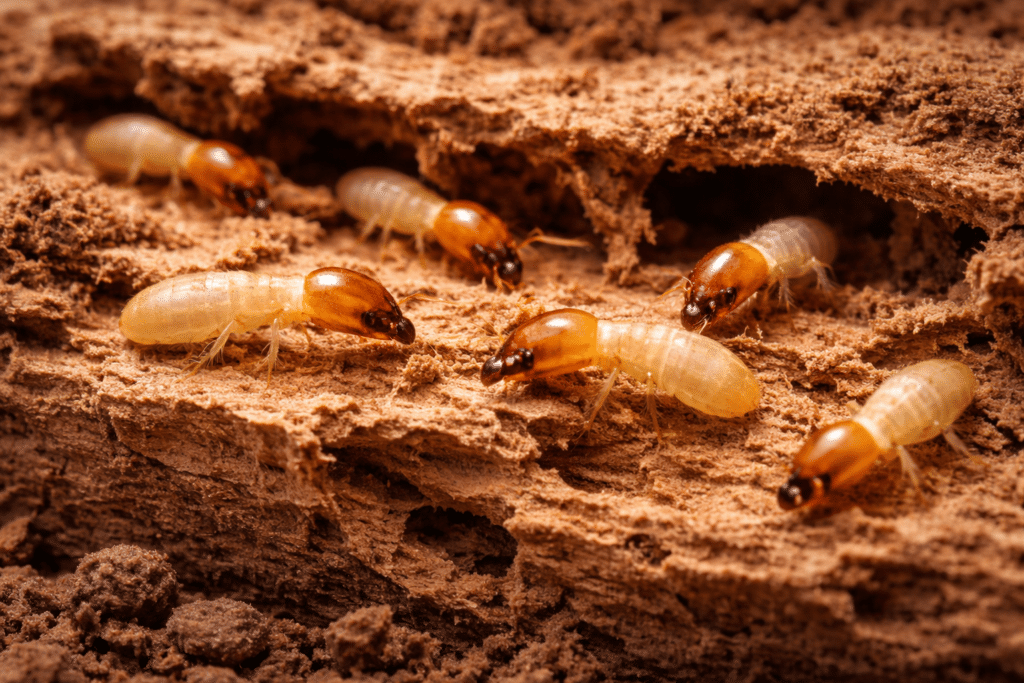
The winter trifecta of snow, ice, and wind may leave some homes damaged this spring and vulnerable to the most destructive pest, termites. Invicta Pest Control, servicing Raleigh, Cary, Knightdale, Wake Forest, Zebulon, and surrounding areas in the Triangle, advises homeowners to be aware of the property threats posed by termites and brush up on some simple tips to prevent or detect an infestation as weather conditions improve.
Why Winter Damage Attracts Termites
Termites are known as “silent destroyers” due to their ability to chew through wood, flooring, and even wallpaper undetected. They cause more than $5 billion in property damage each year, an expense typically not covered by homeowners insurance.
“When spring rolls around, termites emerge from their overwintering spots in search of mates and new structures in which to establish their colonies, most often our homes,” warns Mike Gilbert, Board Certified Entomologist for Invicta Pest Control “Unfortunately, termites can be difficult to spot with the naked eye, so homeowners should routinely inspect the foundation of the home for signs of termites, including mud tubes, cracked or bubbling paint and softwood that sounds hollow when tapped.”
Tips to Prevent a Spring Termite Infestation
The National Pest Management Association (NPMA) offers a number of valuable tips to help homeowners prevent termites from inflicting serious structural damage to their biggest investment:
- Keep basements, attics, and crawl spaces well-ventilated and dry.
- Repair leaking faucets, water pipes, and AC units on the outside of the home.
- Repair fascia and soffits and rotted roof shingles.
- Replace weather stripping and repair loose mortar around the basement foundation and windows.
- Divert water away from your house through properly functioning downspouts, gutters, and splash blocks.
- Maintain an 18-inch gap between the soil and any wood portions of your home.
- Store firewood at least 20 feet away from the house.
Schedule Your Termite Inspection Now
“Although the winter season isn’t quite over yet, it’s never too early to schedule a termite inspection,” added.
Mike Gilbert. “In fact, all homeowners should have their property inspected for termites by a licensed pest professional every one to three years.”
Related reading: Termite Awareness Week, Termite Protection, and Gutter Cleaning’s Impact on Pest Control.
For more on how moisture damage attracts termites: our termite control service | USDA Forest Service: Termites and Wood Decay.
The Winter-to-Spring Termite Window in Raleigh
Raleigh winters are mild enough that termite colonies stay alive year-round, just less active. The damage you discover in March or April is usually damage that has been happening quietly since the previous fall. A roof leak that started during a December ice storm. A burst hose bib that wet the framing behind a wall. A clogged gutter that overflowed onto fascia boards through every winter rain.
Subterranean termites need three things to thrive: moisture, cellulose (wood, cardboard, paper), and access. Winter damage hands them moisture for free and creates the access points (cracks, gaps, soft wood) they need to start tunneling. By the time spring temperatures hit, the conditions are perfect and the colony grows fast.
The fix is straightforward in concept and worth doing in the early spring: walk the exterior of your home and look for any wood-to-soil contact, any place water might be pooling against the foundation, any wet wood that was not wet last summer. Fix those things first. Then have a professional confirm there is not already a colony established. Catching termites early — before swarm season — is the difference between a $300 treatment and a $3,000 repair.
Winter damage is one of the most common entry points for termites in Raleigh. If you are scheduling a termite inspection this season, ask about our bundled pest, termite, and mosquito plan — Mosquito, Flea, and Tick service is included free through the end of 2026 with a new agreement.